I was really impressed by his communication and transparency throughout the process. Wyatt is a credit to the company. I will certainly use Cook in future and recommend them to others. Thank you very much.
When going to a horrible time they were amazing and I’m truly thankful for giving me some ease in a crazy moment in my life. I’m sold for life when it comes to Fred Cook for my septic needs.
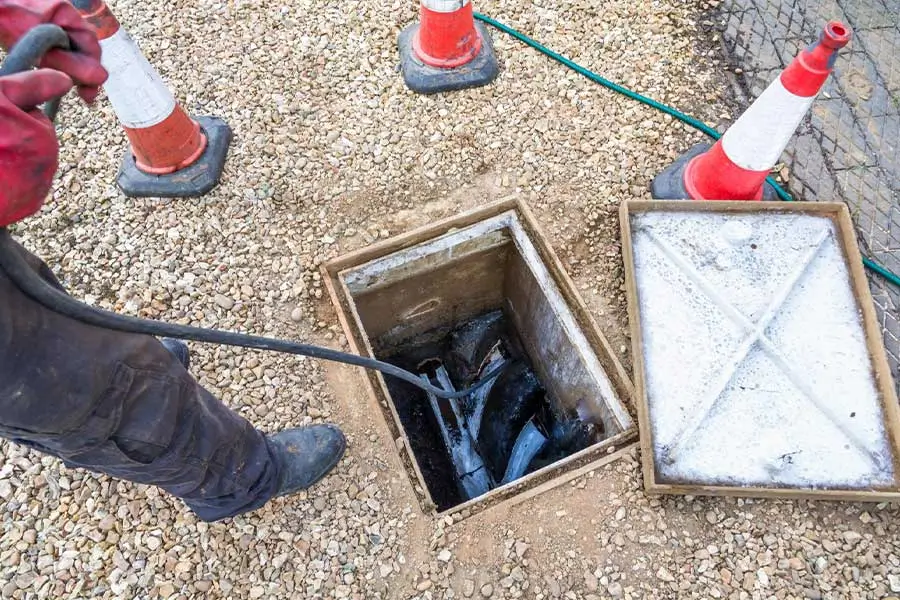
The Service tech was knowledgeable, personable and thorough. He took extra care so there was no mess when opening the sewer line from my basement. I highly recommend this company!!
They always do such a professional and neat job of cleaning out our Septic Tank! It’s so seamless and we’ve been using them for years! No need to shop around, the right price for the greatest quality services.
From the receptionist Rose, she is very helpful and responsive. The Technician guy Dan, he was very careful, diligent and attentive to details. he did a wonderful job. we are very pleased and we highly recommend this company.
Drain Cleaning Services for Yorktown Heights Homes
Yorktown Heights sits in a part of northern Westchester County shaped by suburban development that accelerated through the 1960s and 70s. That growth spurt left the hamlet with a fairly consistent generation of housing stock, much of it now old enough that original plumbing components are reaching the end of their expected service life.
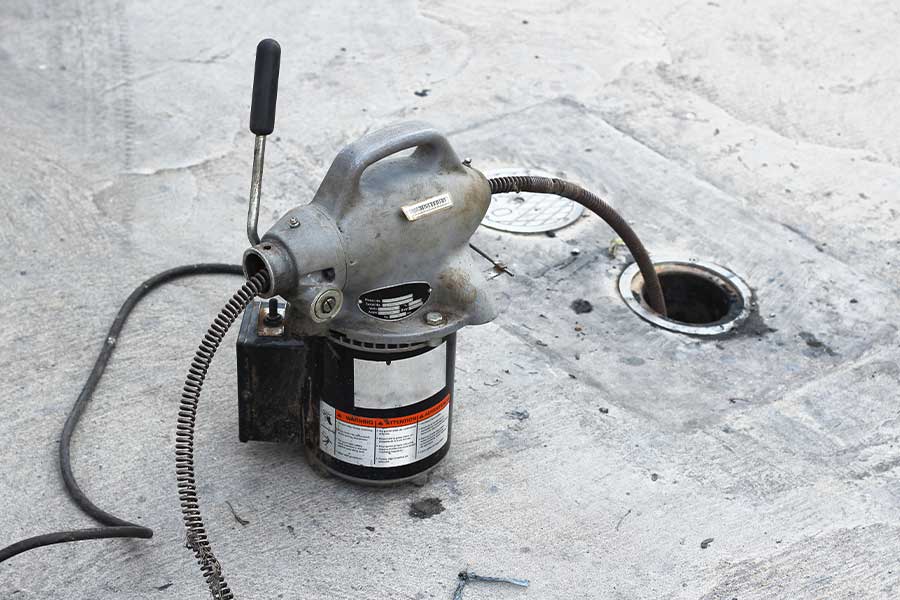
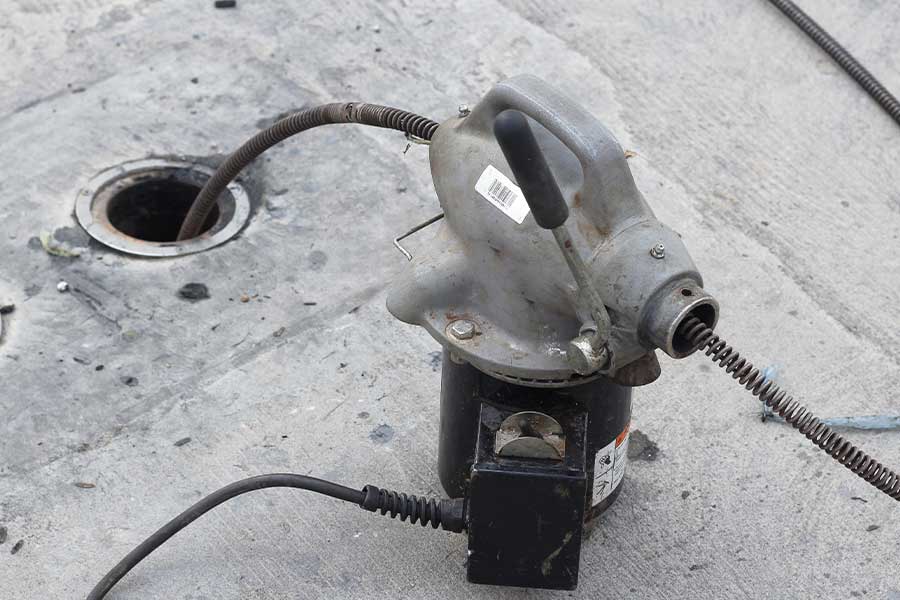
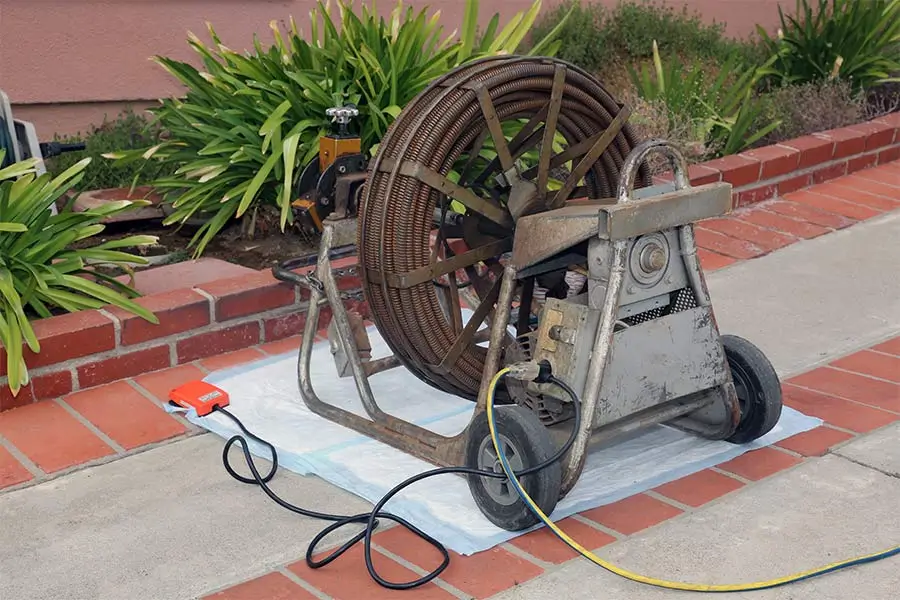
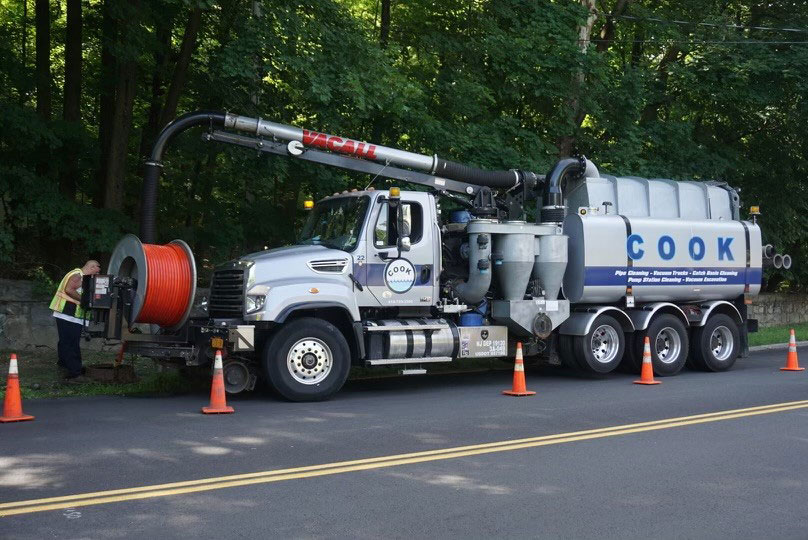
Our Sewer and Drain Division handles residential and commercial jobs throughout Yorktown Heights, from single clogged fixtures to full main line clearing. We bring the diagnostic tools needed to identify exactly what is happening in the pipe before recommending any work.
Because so many Yorktown Heights homes were built around the same time, plumbing issues tend to surface in waves across similar neighborhoods. Here are the signs worth watching for.
Drains that empty more slowly than they used to
Gurgling noises coming from pipes
Standing water near floor drains
A persistent sewer smell indoors
Toilets that struggle to flush completely
More than one fixture backing up around the same time
Catching these signs early, especially if you know your neighbors have run into similar issues, can save you from an unexpected repair bill later.
Aging Cast Iron and the Root of Local Drain Problems
Homes in Yorktown Heights built during the postwar development boom often used cast iron drain lines, which corrode from the inside out over several decades. As the interior surface roughens, waste and debris catch more easily, gradually narrowing the pipe until flow slows to a crawl.
How Local Terrain and Rainfall Add to the Problem
Beyond aging materials, the area’s clay-based soils and rolling terrain create drainage patterns that put extra strain on yard and foundation drains, especially during heavy rain events common to this stretch of the Hudson Valley. Combine that with everyday buildup from cooking grease, hair, and soap residue, and it becomes clear why so many homeowners eventually need professional drain cleaning in Yorktown Heights, NY.
A homeowner named Diane called us after her downstairs bathroom started backing up every time she ran her washing machine. She had lived in the house for over a decade without any major plumbing issues and assumed it was just a fluke.
Our camera inspection revealed that a section of the original clay pipe had partially collapsed, likely from decades of ground settling combined with age-related deterioration. We were able to clear the blockage enough to restore flow and gave Diane a clear explanation of what she was looking at, along with recommendations for addressing the collapsed section before it failed completely.
Homes of a certain age in Yorktown Heights often reach a point where routine cleaning uncovers a structural issue rather than a simple clog. Catching it during a service call, rather than during an emergency, makes all the difference in how manageable the fix is.
Why Yorktown Heights, NY Residents Choose Fred Cook
We have worked throughout northern Westchester since 1975, and our familiarity with the area’s housing stock helps us diagnose problems quickly and accurately.
Decades of regional plumbing and drain experience
Residential and commercial drain cleaning
24/7 emergency service availability
Camera inspections for accurate diagnostics
Same-day appointments in most cases
Honest recommendations, no unnecessary work
Whether it is a first-time clog or a recurring problem you have been putting off, our team is ready to get to the bottom of it.
Recurring clogs often mean the underlying cause was never fully addressed, whether that is a root intrusion, a partial pipe collapse, or persistent buildup from hard water or grease. A camera inspection can identify the actual source so the fix addresses the real problem instead of just the symptom.
Are older homes more prone to drain issues?
Yes. Homes built several decades ago often have cast iron or clay pipe systems that were not designed to last indefinitely. As these materials age, they corrode, crack, or shift, creating conditions for blockages and structural problems that newer plumbing is less likely to experience.
What causes a sewer smell inside my house?
A sewer odor indoors often indicates a blockage that is preventing proper venting, a dry P-trap, or a crack somewhere in the drain system. It is worth having the system inspected promptly since persistent sewer odors can also point to a developing backup.
Can you clear a drain without digging up my yard?
In most cases, yes. We use mechanical cutting tools and camera-guided equipment that can clear blockages and even some root intrusions without excavation. Digging is typically only necessary when a pipe has physically collapsed or shifted and needs to be replaced.
How quickly can you respond to a drain emergency?
We offer 24/7 emergency service and can typically respond the same day for urgent situations in Yorktown Heights. If a backup is actively affecting your home, call as soon as possible so we can limit water use recommendations and get a technician out quickly.