
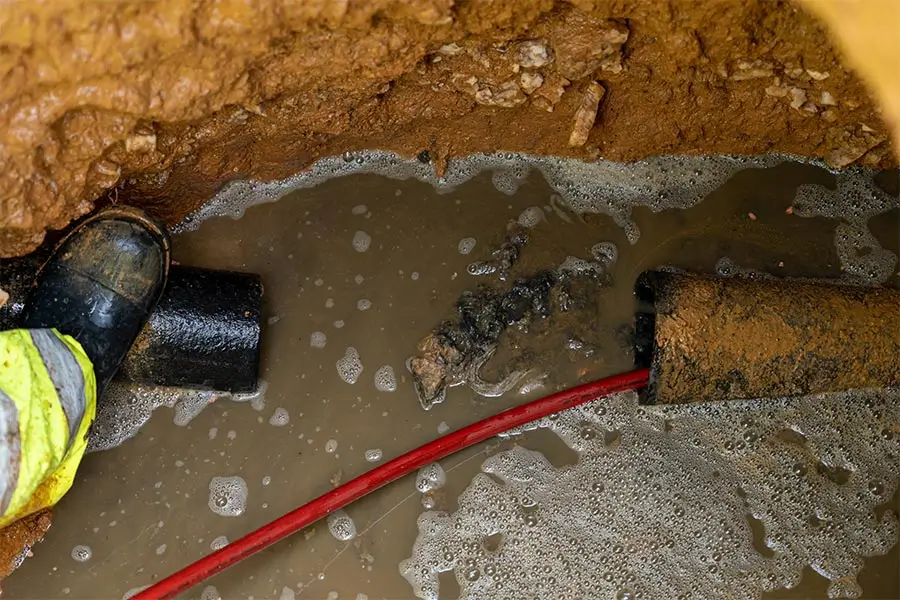
An overflowing or odorous grease trap is one of the most disruptive situations a commercial kitchen can face. The smell alone can shut down a service, and the downstream consequences for plumbing and infrastructure go well beyond a bad shift.
For food service businesses in Kent, NY, the question is not whether the grease trap needs regular attention but how often and by whom. Fred A. Cook Jr. Inc. has been providing grease trap cleaning and septic services to commercial and residential clients across Putnam County since 1975. Our team helps business owners determine the right maintenance schedule and handles every cleaning quickly, thoroughly, and in full compliance with local health regulations.
Why Regular Cleaning Is So Important
Restaurants, cafeterias, and other high-volume kitchens rely on grease traps to prevent fats, oils, and grease (FOG) from entering the municipal water system. These units intercept FOG before it causes plumbing damage or creates a public health hazard. Without consistent professional cleaning, they become a liability rather than a safeguard.
Based on what we see in commercial kitchens throughout Kent and the surrounding Putnam County area, neglected grease traps create problems in four consistent categories:
Preventing Blockages
FOG solidifies as it cools inside the trap and connected pipework. Over time, this buildup restricts flow and can cause the trap to overflow entirely, contaminating the kitchen floor and surrounding areas. In severe cases, blockages lead to flooding that causes significant structural damage to the property.
Maintaining Sanitation Standards
A grease trap overdue for service emits a recognizable, persistent odor that affects both kitchen staff and customers. Beyond the discomfort, an unclean trap becomes a breeding ground for bacteria that introduce genuine health risks into a food preparation environment. Working in kitchens across Kent, we have seen how quickly conditions deteriorate when cleaning schedules slip.
Avoiding Legal Complications
Health and safety regulations require high-volume food preparation facilities to maintain clean interception systems. These codes exist to protect public health and the local water supply from FOG accumulation. Violations can result in costly fines, forced operational changes, or, in the worst cases, business closure. Grease trap condition is also a standard item on health inspection checklists, and visible deficiencies put a kitchen at immediate risk.
Protecting Infrastructure
Repeated blockages do more than slow down a drain. Over time, they contribute to pipe corrosion and can cause widespread wastewater leaks throughout a building’s plumbing infrastructure. The repair costs associated with this kind of long-term damage far exceed the cost of a consistent professional cleaning schedule.
Recommended Grease Trap Cleaning Schedule for Kent, NY
The right cleaning frequency depends on the size of the kitchen, the volume of food prepared, and the types of dishes being produced. General guidelines for most commercial and residential food service operations are as follows:
- Restaurants should schedule cleaning every one to three months, with higher-volume operations requiring service at the more frequent end of that range.
- Cafeterias in schools, hospitals, and similar institutions should be cleaned at least once a month. The variety of foods prepared and the volume of output accelerate FOG accumulation faster than in smaller operations.
- Residential units typically require cleaning every 3 to 4 months under normal use conditions.
A widely used industry benchmark is the one-fourth rule, which states that the FOG layer at the top of the tank should never exceed 25% of the tank’s total volume. When that threshold is reached, service is needed regardless of when the last cleaning occurred.
These guidelines are a starting point. The following signs indicate that your system needs attention sooner:
- Slow-draining sinks suggest a developing pipe blockage
- Foul odors coming from the trap or surrounding drains
- Visible grease spilling from or around the trap
- A rising water level inside the trap between cleanings
If any of these conditions are present, do not wait for a scheduled visit. Prompt professional service protects your staff, your customers, and your business from escalating consequences.
For properties with more complex underground drainage needs, our team also provides catch basin and pipe cleaning to keep the full waste management system functioning properly.
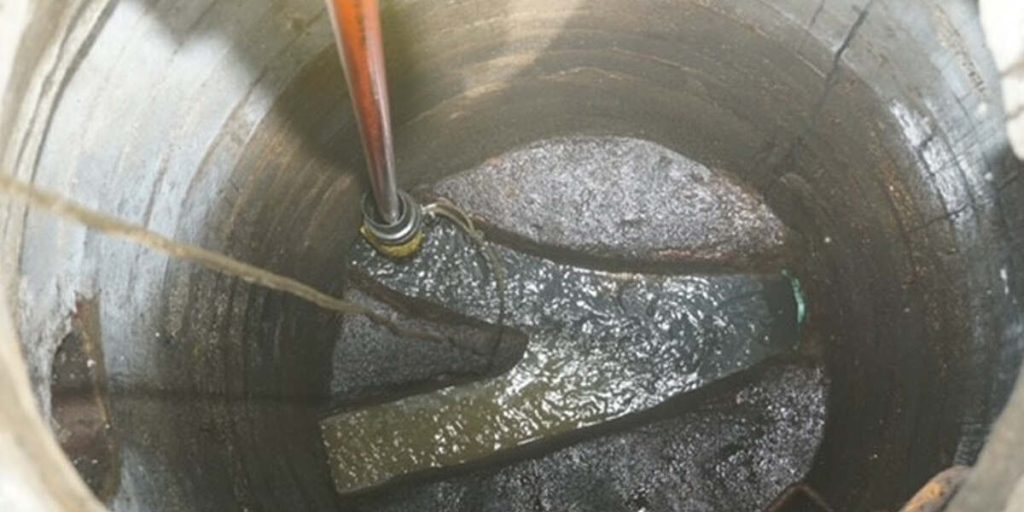
Grease Today, Gone Tomorrow: Expert Trap Cleaning in Kent
Knowing how often grease traps should be cleaned is the first step. Having a reliable professional service to back it up is what keeps a kitchen operating safely and in compliance year-round.
Fred Cook Septic Tank Cleaning serves residential and commercial kitchens throughout Kent and across Putnam County, bringing the same level of care and precision to every job, regardless of scale. Neighbors in Lake Peekskill and surrounding communities trust our team for the same reliable service. When your grease trap is due for service or showing early warning signs, contact our team today to schedule a thorough cleaning and keep your operation on the right side of every inspection.