
If you’re a homeowner in Jefferson Valley-Yorktown, NY, understanding your septic system is vital for its longevity and functionality. Ignoring maintenance can lead to costly repairs and headaches. You’ll want to know when to clean your septic tank and what tools you’ll need to do it right. Ready to find out how you can keep your system in top shape? Let’s explore some essential tips that every homeowner should know.
Understand Your Septic System
Understanding your septic system is essential for maintaining its efficiency and longevity. Your system consists of a tank and a drain field, working together to treat and dispose of wastewater. Familiarize yourself with its components; knowing how each part functions helps you identify potential issues early.
Regular maintenance, like checking for leaks and ensuring proper drainage, keeps everything running smoothly. Be mindful of what you flush and pour down the drain; certain items can clog your system or harm its bacteria. Avoid harsh chemicals and limit water usage during heavy rains to prevent overload.
Additionally, keep a record of any repairs or maintenance performed, as this helps track the system’s health over time. By staying informed and proactive, you’ll not only extend your septic system’s lifespan but also protect your property and the environment. Regular cleaning prevents costly repairs and ensures your system operates efficiently.
Know When to Clean Your Septic Tank
- Slow Drains: If your sinks, tubs, or toilets are draining slowly, it might indicate a full septic tank.
- Unpleasant Odors: Foul smells around your yard or near your septic system can signal that your tank needs attention.
- Pooling Water: If you notice standing water or lush grass in your drain field, it’s likely time for a cleaning. Regular inspections can help ensure the top condition of your septic system and prevent unexpected breakdowns.
Gather the Necessary Tools and Supplies
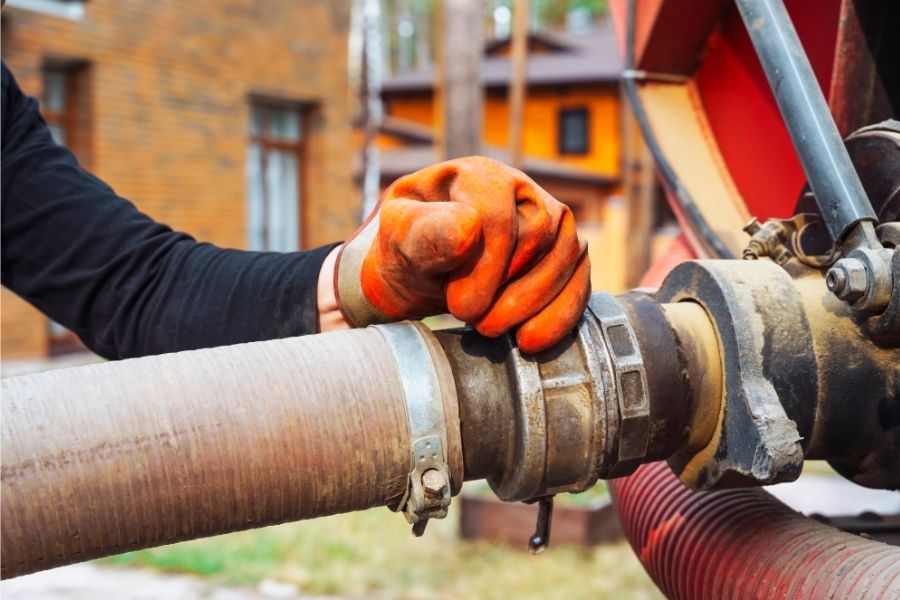
Before you start cleaning your septic tank, you’ll need to gather some essential equipment and safety gear. Make sure you have items like a pump, hoses, and gloves ready to go. Being prepared not only makes the job easier but also keeps you safe throughout the process. Additionally, consider using hydro jetting services to effectively clear stubborn clogs and buildup in your septic system.
Essential Cleaning Equipment
When tackling your septic tank cleaning, having the right tools and supplies makes all the difference. You won’t want to start the job without these essential items:
- Pump – A high-quality septic tank pump is vital for removing waste efficiently.
- Hoses – Durable hoses help connect the pump to the tank and guarantee proper drainage.
- Buckets and Shovels – These tools assist you in removing solid waste and debris safely.
Gather these supplies before you begin, and you’ll streamline the process and minimize the risk of clogs or backups.
Proper equipment not only makes the job easier but also helps maintain your system’s health, making certain your septic tank runs smoothly for years to come.
Safety Gear Requirements
As you prepare for septic tank cleaning, ensuring you have the right safety gear is essential for protecting yourself during the process.
Start with gloves made from durable materials, ideally rubber or latex, to shield your hands from harmful substances. A pair of safety goggles is vital, as they’ll protect your eyes from splashes and debris.
Wear a mask to prevent inhaling any unpleasant odors or airborne particles. Sturdy boots with slip-resistant soles will keep your footing secure, especially in wet conditions.
Finally, consider a disposable coverall to protect your clothing and skin from contaminants.
Locate Your Septic Tank Access Points
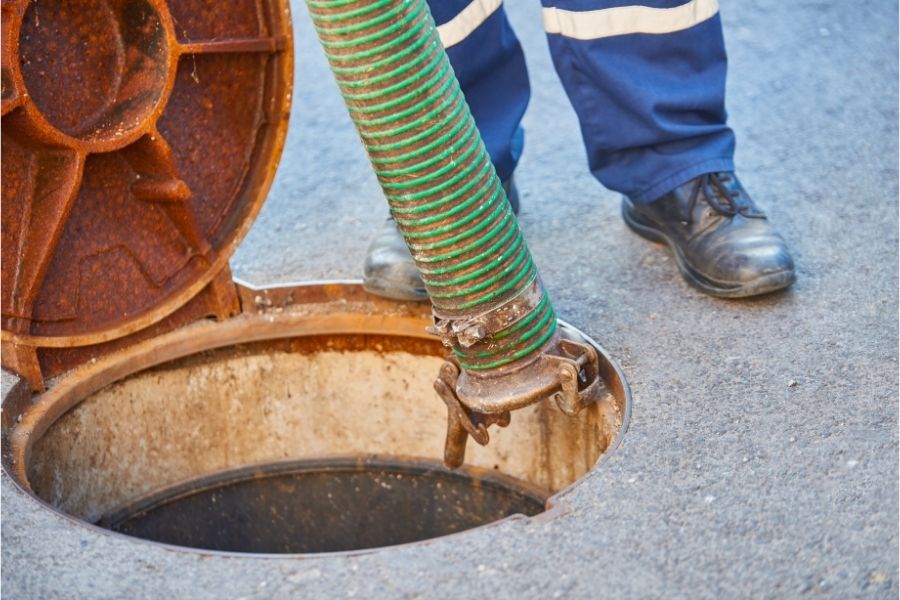
To clean your septic tank effectively, you first need to locate its access points.
Start by identifying where your tank is buried, then mark the access points for easy reference during cleaning.
Knowing these details will save you time and effort when you’re ready to get started. Additionally, understanding the importance of properly functioning septic systems can guide your maintenance efforts for long-term efficiency.
Identify Tank Location
Finding your septic tank access points is essential for effective maintenance and cleaning. Knowing where to locate these points helps you avoid unnecessary digging and guarantees you can address issues promptly.
Here are three tips to identify your tank’s location:
- Check Blueprints: If you have the original blueprints of your property, look for the septic system layout. It often shows the tank’s exact location.
- Look for Markers: Keep an eye out for any visible markers, like a manhole cover or a cleanout pipe, which can indicate where the tank is buried.
- Observe Drainage Areas: Pay attention to areas with lush grass or unusual wet spots, as these can signal the presence of a septic tank.
Mark Access Points
Once you’ve located your septic tank, marking the access points is the next step in simplifying future maintenance and cleaning.
Use durable flags or stakes to clearly indicate where the access lids are located. This not only saves you time but also helps any service provider easily find the access points without digging around.
Make certain the markers are visible and won’t be disturbed by landscaping or snow. You might also want to create a simple map of your property, noting the exact locations of the access points.
Keeping these markers in place guarantees you can quickly access your septic tank when it’s time for cleaning or inspections, helping maintain your system efficiently and effectively.
Pump Out the Septic Tank Safely
While maintaining your septic system, safely pumping out the tank is essential to avoid costly repairs and health hazards.
To guarantee a safe and effective pumping process, follow these key steps:
- Hire a Professional: It’s best to leave the job to experts who understand the equipment and safety protocols involved in septic pumping. They’ve the right tools and training.
- Check Local Regulations: Before scheduling a pump-out, familiarize yourself with local guidelines. Some areas have specific rules regarding septic tank maintenance and disposal.
- Maintain Access Points: Confirm that access points to your septic tank are clear and easily reachable. This minimizes the risk of damage during the pumping process.
Inspect the Tank for Damage and Corrosion
Regularly inspecting your septic tank for damage and corrosion is essential to maintaining its efficiency and avoiding costly repairs.
Start by checking the tank’s exterior for any visible cracks, rust, or corrosion. Pay close attention to the seams and joints, as these areas are more prone to wear. If you notice any unusual odors or pooling around the tank, it could indicate a leak that needs immediate attention.
Inside the tank, look for signs of corrosion on the walls and baffles. Use a flashlight to get a better view, and don’t hesitate to reach out to a professional if you’re unsure about what you see.
Catching these issues early can save you from bigger problems down the line. Remember, keeping your septic tank in good shape isn’t just about cleaning; it’s also about ensuring it’s structurally sound.
Taking these steps will help you maintain its longevity and effectiveness.
Clean the Inlet and Outlet Baffles
Cleaning the inlet and outlet baffles is essential for keeping your septic system running smoothly.
You’ll need a few basic tools to get started, and knowing the signs of baffle issues can save you from bigger problems down the line.
Let’s go over what you need to guarantee these components stay in top shape.
Importance of Baffle Maintenance
Baffle maintenance plays an essential role in the overall health of your septic system, as it guarantees proper flow and prevents clogs.
When you keep your baffles clean, you help confirm that wastewater flows smoothly, which reduces the risk of backups or failure.
Here are three key reasons why baffle maintenance is vital:
- Prevents Clogs: Clean baffles allow for unobstructed flow, minimizing the chances of blockages in your septic system.
- Enhances Efficiency: Proper maintenance confirms that your system operates efficiently, saving you time and money on repairs.
- Extends Lifespan: Regular care of your baffles can prolong the life of your septic system, reducing the need for costly replacements.
Tools Needed for Cleaning
Maintaining the inlet and outlet baffles of your septic system is essential, and having the right tools can make the job easier.
Start with a sturdy pair of rubber gloves to protect your hands from any debris. A long-handled brush is perfect for scrubbing the baffles, ensuring you reach every corner without getting too close to the tank.
You’ll also need a bucket for collecting any sludge or sediment you remove. A flashlight helps illuminate dark areas within the tank, allowing you to see what you’re working on clearly.
Finally, a garden hose with a spray nozzle can assist in rinsing off any residue. With these tools, you’ll be well-equipped to tackle the cleaning process efficiently.
Signs of Baffle Issues
When you notice slow drainage or frequent backups in your plumbing, it might signal that your septic system’s inlet and outlet baffles are having issues.
These baffles play a vital role in directing waste and preventing solids from flowing into your drain field. Here are some signs to watch for:
- Unpleasant odors: Foul smells around your septic tank can indicate a baffle problem.
- Pooling water: If you see water pooling in your yard, it could mean your baffles aren’t functioning properly.
- Frequent clogs: Regular plumbing backups suggest that the inlet or outlet baffles may need cleaning or repair.
Addressing these issues promptly can help maintain your septic system’s efficiency and longevity.
Check for Proper Drainage and Flow
One of the most essential steps in guaranteeing your septic system operates efficiently is checking for proper drainage and flow.
Start by inspecting your yard for any areas where water seems to pool or drain slowly. This could indicate a problem with your drain field. Next, observe how quickly your sinks, toilets, and tubs empty. If you notice slow drainage, it might suggest a clog or backup in the system.
Additionally, check the effluent filter for any buildup that could impede flow. If you have a cleanout access point, use it to clear any visible obstructions.
Don’t forget to listen for unusual sounds, like gurgling, which may signal air trapped in the pipes. Regularly monitoring these aspects guarantees your system remains in top shape and helps you catch potential issues before they escalate.
Taking these proactive steps can save you from costly repairs later on.
Refill the Tank With Water
After guaranteeing your septic system has proper drainage and flow, it’s time to address another important task: refilling the tank with water. This step helps maintain the necessary balance of solids and liquids in your tank.
Here’s how to do it effectively:
- Use Clean Water: Always refill the tank with clean, clear water to avoid introducing contaminants.
- Check the Level: Fill the tank until it reaches the outlet pipe, which indicates the proper water level for peak function.
- Monitor for Leaks: While refilling, keep an eye out for any leaks around the tank area, which could signal underlying issues.
Refilling your septic tank correctly guarantees it operates efficiently and prolongs its lifespan.
Maintain Regular Maintenance Schedules
Maintaining regular maintenance schedules is essential for keeping your septic system in top shape. You should plan to have your tank pumped every three to five years, depending on your household size and water usage.
Regular inspections help catch potential problems before they escalate, saving you time and money in the long run.
Document your maintenance activities, including pumping dates and any repairs. This record not only helps you stay organized but can also be useful if you ever decide to sell your home.
Additionally, be mindful of what goes down your drains. Avoid flushing non-biodegradable items and limit grease and harsh chemicals, as these can disrupt the system’s balance.
Conclusion
In the grand tapestry of homeownership, maintaining your septic system is a thread you can’t afford to overlook. By following these DIY tips, you guarantee your system runs smoothly, much like a well-oiled machine. Regular maintenance not only protects your home but also preserves the harmony of your environment. So, roll up your sleeves, take pride in your efforts, and remember: a healthy septic tank is the unsung hero of your household, quietly doing its essential work beneath the surface.