
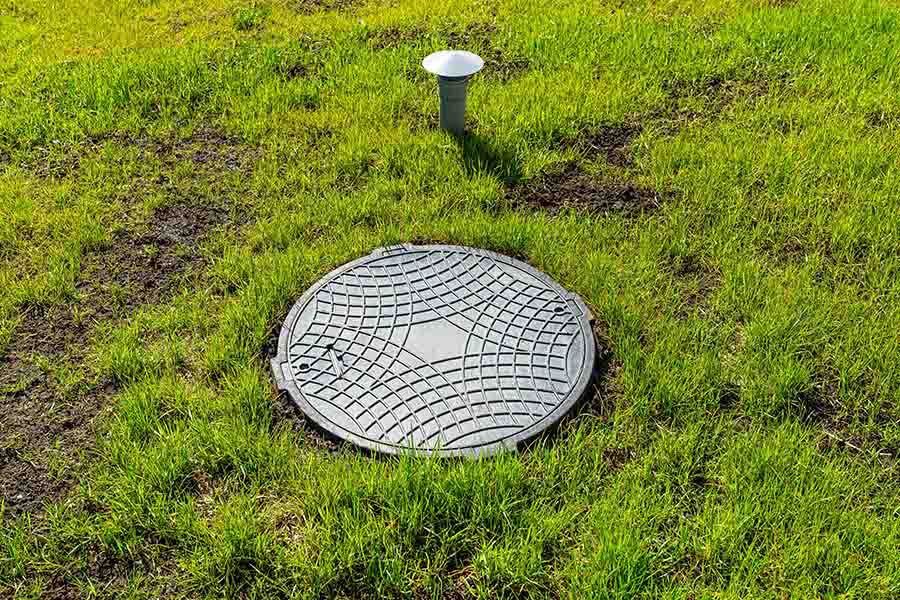
If you own a home in Cold Spring, NY, you might be wondering how often you should inspect your septic system. Regular inspections are essential for maintaining peak performance and preventing costly repairs. But what exactly determines the right frequency for your situation? Understanding the factors that influence inspection intervals can help you make informed decisions. Let’s explore what you need to know to keep your system in check.
Importance of Regular Septic System Inspections
When you think about maintaining your home, regular septic system inspections should be at the top of your list.
These inspections guarantee your system operates efficiently, preventing costly repairs down the line. By checking for leaks, clogs, and other potential issues, you can avoid unpleasant surprises like backups or system failures.
Regular inspections help you stay compliant with local regulations, keeping your property safe and enhancing its value.
You’ll also contribute to a healthier environment, as a well-maintained septic system prevents harmful waste from contaminating groundwater.
Partnering with a reliable service provider like Fred A. Cook Jr., Inc. means you get expert insight into your system’s condition. Their experienced team will identify problems early, allowing you to take action before they escalate. Additionally, they offer customized maintenance programs tailored to individual customer needs, ensuring your septic system remains in optimal condition.
Recommended Inspection Frequency for Homeowners
For homeowners, scheduling septic system inspections every 1 to 3 years is essential for maintaining ideal performance. This regular check-up helps identify potential issues before they turn into costly repairs. By keeping up with inspections, you can guarantee your system operates efficiently and safely, prolonging its lifespan.
When you set a routine for inspections, you’ll catch signs of wear and tear early. This proactive approach not only protects your investment but also safeguards your home and the environment. Be sure to choose a reliable service like Fred A. Cook Jr., Inc. for thorough assessments. Regular inspections are crucial for preventing unexpected breakdowns and costly repairs.
Keep in mind that the frequency of inspections may vary based on your household size, system type, and usage patterns. However, adhering to the 1 to 3-year guideline is a solid plan.
Regular inspections are an investment in your home’s health and can save you from unexpected issues down the line.
Factors Affecting Inspection Frequency
Several factors can influence how often you should have your septic system inspected, including the size of your household, the type of system you have, and your usage habits.
You want to stay proactive to avoid costly issues down the line.
- Household Size: More people using the system means more frequent inspections.
- System Type: Traditional systems may require different attention than advanced models.
- Usage Habits: Heavy water usage, like frequent laundry or long showers, can lead to faster wear.
- Maintenance History: Regular maintenance can help you determine a tailored inspection schedule.
Additionally, implementing flow monitoring services can provide real-time data to help you manage your septic system more effectively.
Signs Your Septic System Needs Immediate Attention
While maintaining your septic system is essential, recognizing the signs that it needs immediate attention can save you from costly repairs and health hazards.
If you notice foul odors around your yard or inside your home, it’s a clear sign something’s wrong. You should also be concerned if you see pooling water or unusually lush grass above your septic tank, as this can indicate a leak or failure.
Slow drains or backups in your sinks and toilets are serious red flags that require urgent care. Additionally, if your sewage pump is making unusual noises or running continuously, it could be struggling to keep up.
Finally, keep an eye out for any gurgling sounds in your plumbing, which often signal blockages. If you spot any of these issues, don’t hesitate to contact a professional for an inspection and necessary repairs. Regular maintenance can also include hydro jetting services, which efficiently clear stubborn clogs and help prevent future issues.
Benefits of Professional Septic Services
Ignoring the signs that your septic system needs attention can lead to bigger issues down the line.
Professional septic services provide benefits that go beyond just fixing problems. Here’s why you should consider them:
- Expertise: Professionals have the training and experience to handle complex septic issues effectively.
- Preventative Maintenance: Regular inspections can catch potential problems early, saving you time and money.
- Safety: Handling septic systems can be hazardous. Trusting experts guarantees safety for you and your family.
- Peace of Mind: Knowing your septic system is in good hands allows you to focus on other important aspects of your life.
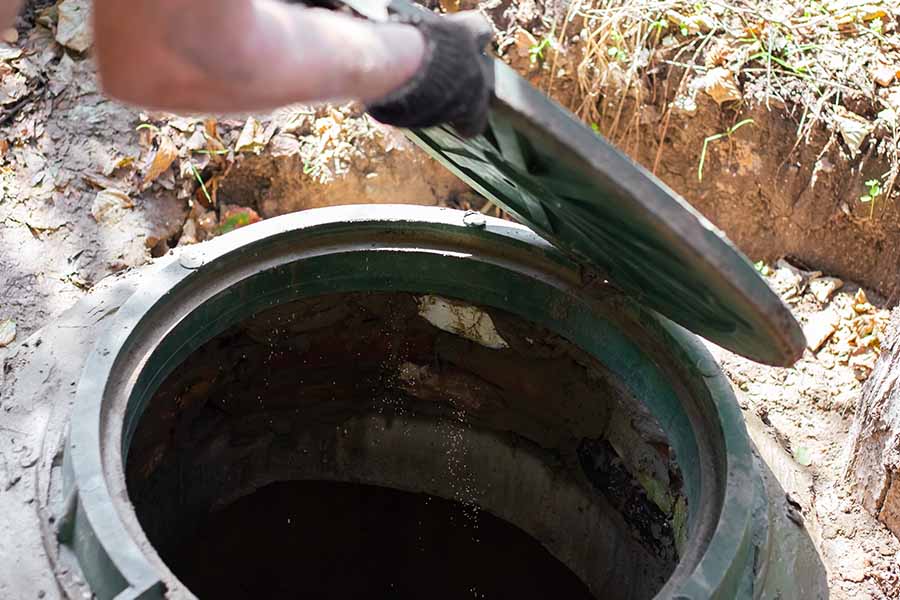
Conclusion
Regular septic system inspections aren’t just a recommendation—they’re essential for your home and the environment. Did you know that nearly 1 in 5 homes with septic systems will experience a failure at some point? By prioritizing inspections every 1 to 3 years, you can prevent costly repairs and protect your investment. Don’t wait for a problem to arise; take action now to guarantee your system runs smoothly and your family stays safe. Your home deserves it!